

Editorial 15.06.2026 Monday, by Sarvesh Kumar Singh Editor UP Web News
संपादकीय / सर्वेश कुमार सिंह
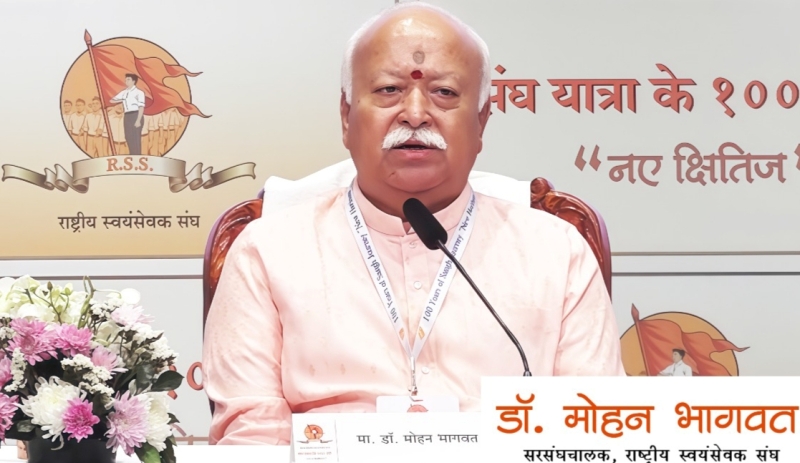
राष्ट्रीय स्वयंसेवक संघ RSS के सरसंघचालक डॉ मोहन भागवत ने पाकिस्तान से संवाद बनाए रखने की सलाह दी है। उन्होंने ये सलाह रविवार को तिरुवनंतपुरम (केरलम) में आयोजित संघ के शताब्दी संवाद कार्यक्रम में दी। डा मोहन भागवत संघ के दूसरे पदाधिकारी है,जिन्होंने पाकिस्तान के साथ बातचीत का परामर्श दिया है। इसके पहले संघ के दूसरे नंबर के वरिष्ठ और सरकार्यवाह दत्तात्रेय होसबाले ने भी ऐसी ही सलाह दी थी। संघ के दो प्रमुख नेताओं की ओर से एक जैसा बयान आने से नई बहस छिड़ गई है। हालांकि संघ के दोनों नेताओं का बयान उस धारणा पर आधारित है कि भारत और पाकिस्तान की जनता दोनों ये मानने लगे हैं कि भारत विभाजन एक ऐतिहासिक भूल थी। इसका खामियाजा हिन्दू और मुसलमान दोनों को उठाना पड़ा। आज अगर भारत संयुक्त होता तो पाकिस्तान के मुसलमानों के सामने वे दुश्वारियां नहीं होती,जिनका वे सामना कर रहे है।
संघ प्रमुख का बयान उसी संदर्भ में है। आजकल सोशल मीडिया का प्रभाव और प्रचलन बढ़ने से सीमा पार के विचार वीडियो, पॉडकास्ट और विभिन्न माध्यमों से यहां तक पहुंच रहे हैं। इनमें पाकिस्तान के अनेक पत्रकार, विचारक, बुद्धिजीवी और सामाजिक कार्यकर्ता, कुछ राजनीतिज्ञ भी ये विचार व्यक्त करते सुने जा सकते है कि विभाजन भूल थी। कई बार पॉडकास्ट में सुना गया कि द्विराष्ट्र ( टु नेशन थ्योरी) फेल हो गई। वे इसके पक्ष में बांग्लादेश का उदाहरण भी देते है। वे कहते है कि मुसलमान एक राष्ट्र है तो बंगाली मुसलमानों को साथ क्यों नहीं रख सके, बलूचों से संघर्ष क्यों हो रहा है? अफ़ग़ानिस्तान के साथ टकराव क्यों है? ये सब तो मुसलमान है। उधर कुछ पॉडकास्ट में कहा जा रहा है कि जिन्ना ने अपनी व्यक्तिगत जिद में टू नेशन थ्योरी को 1940 में अपनाया। उसके पहले वे हिन्दू मुस्लिम एकता के पक्षधर थे। दो दिन पहले ही पाकिस्तान के एक पॉडकास्टर और लेखक ने कहा कि जब विभाजन हुआ तो पश्चिम पाकिस्तान के हिस्से में वाले क्षेत्र में 21 प्रतिशत हिन्दू रह गए थे, और पूर्वी पाकिस्तान में 28 प्रतिशत हिन्दू थे। जबकि भारत में 13 प्रतिशत मुसलमान थे। आज स्थिति ये है कि पाकिस्तान में 1.7 प्रतिशत और बांग्लादेश में 7 प्रतिशत हिन्दू है। जबकि भारत में मुसलमान 13 प्रतिशत से बढ़कर 20 प्रतिशत हो गए। इसका मतलब टू नेशन थ्योरी फेल है। क्योंकि भारत में तो मुसलमान बढ़ गए। अलबत्ता हमने हिंदुओं और सिखों को मार दिया या भगा दिया। इससे स्पष्ट है कि भारत में हिंदू मुसलमान साथ रह रहे है। पाकिस्तान में एक विचार और तेजी से बढ़ रहा है कि हम अरबी और विदेशी हमलावरों से खुद को क्यों जोड़ रहे है जबकि हमारे पूर्वज तो वे थे जो मुहम्मद बिन कासिम, और सिकंदर से लड़े थे। हमें तो खुद को राजा दाहिर, पोरस से जोड़ना चाहिए।
ये कुछ ऐसे तथ्य है जो बदलते परिवेश में नई सोच को जन्म दे रहे है। इन्हीं तथ्यों के आलोक में पहले दत्तात्रेय होसबाले और अब डा मोहन भागवत ने पाकिस्तान के लोगों से संवाद की सलाह दी है। यहां उन्होंने ये भी स्पष्ट किया है कि संवाद शासन के लोगों से नहीं बल्कि वहां की जनता से होना चाहिए। साथ ही उन्होंने भारत सरकार की विदेश नीति को ही संघ की नीति बताया है। लेकिन अत्यधिक महत्वपूर्ण यह है कि डा मोहन भागवत ने ये सलाह ऐसे समय दी है जब ऑपरेशन सिंदूर जारी है। अभी सरकार ने इसकी समाप्ति की औपचारिक घोषणा नहीं की है । कुल मिलकर भागवत जी का बयान साहसिक और सामयिक है। इसको उसी संदर्भ में समझना चाहिए जिस संदर्भ में उन्होंने व्यक्त किया है।
Editorial / Sarvesh Kumar Singh
The Sangh’s Advice on Dialogue with Pakistan
The Sarsanghchalak (Chief) of the Rashtriya Swayamsevak Sangh (RSS), Dr. Mohan Bhagwat, has advised maintaining a dialogue with Pakistan. He gave this advice on Sunday during the Sangh’s Centenary Dialogue program organized in Thiruvananthapuram (Keralam). Dr. Mohan Bhagwat is the second functionary of the Sangh to advise having talks with Pakistan. Before this, the second highest-ranking senior leader and Sarkaryavah (General Secretary) of the Sangh, Dattatreya Hosabale, had also given similar advice. Similar statements coming from two top leaders of the Sangh have sparked a new debate.
However, the statements of both Sangh leaders are based on the perception that the public in both India and Pakistan has begun to believe that the partition of India was a historical mistake. Both Hindus and Muslims had to bear the brunt of it. If India were united today, the Muslims of Pakistan would not be facing the hardships they are confronting now. The Sangh chief’s statement is in that very context.
Nowadays, due to the increasing influence and prevalence of social media, ideas from across the border are reaching here through videos, podcasts, and various mediums. In these, many Pakistani journalists, thinkers, intellectuals, social activists, and even some politicians can be heard expressing the view that partition was a mistake.
It has often been heard in podcasts that the two-nation theory has failed. They also cite the example of Bangladesh in support of this. They ask: if Muslims are one nation, why couldn’t they keep the Bengali Muslims together, and why is there a conflict with the Baloch people? Why is there a clash with Afghanistan? After all, they are all Muslims.
On the other hand, some podcasts say that Jinnah adopted the two-nation theory in 1940 out of personal stubbornness. Before that, he was a proponent of Hindu-Muslim unity. Just two days ago, a Pakistani podcaster and writer said that when partition took place, 21 percent Hindus were left in the region that became West Pakistan, and there were 28 percent Hindus in East Pakistan. Meanwhile, there were 13 percent Muslims in India. Today, the situation is such that there are 1.7 percent Hindus in Pakistan and 7 percent in Bangladesh. Meanwhile, Muslims in India increased from 13 percent to 20 percent. This means the two-nation theory has failed because Muslims have grown in number in India. On the contrary, we [in Pakistan] killed or drove away the Hindus and Sikhs. This makes it clear that Hindus and Muslims are living together in India.
Another thought growing rapidly in Pakistan is: why are we associating ourselves with Arabic and foreign invaders when our ancestors were those who fought against Muhammad bin Qasim and Alexander? We should associate ourselves with Raja Dahir and Porus.
These are some of the facts giving rise to new thinking in a changing environment. In light of these very facts, first Dattatreya Hosabale and now Dr. Mohan Bhagwat have advised dialoguing with the people of Pakistan. Here, he has also clarified that the dialogue should not be with the people in government, but with the public there. At the same time, he described the Government of India’s foreign policy as the policy of the Sangh.
But what is highly significant is that Dr. Mohan Bhagwat has given this advice at a time when ‘Operation Sindoor’ is underway. The government has not yet formally announced its conclusion. Overall, Bhagwat Ji’s statement is bold and timely. It should be understood in the exact context in which he expressed it.

Sarvesh Kumar Singh
Senior Journalist, Lucknow Uttar Pradesh